
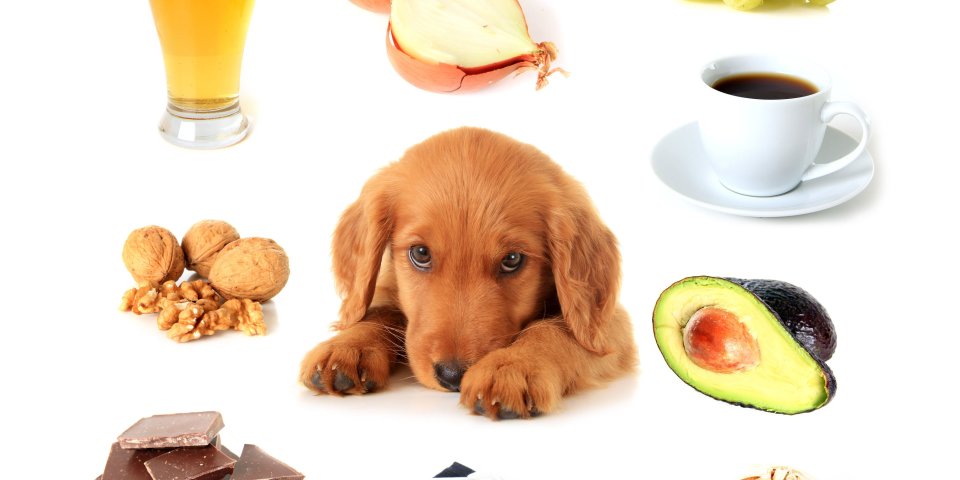
What Dogs Can't Eat: Foods Your Dog Should Avoid
As a proud dog owner, you naturally want the best for your loyal four-legged friend. A big part of that is keeping your dog safe and healthy. Dogs are often curious about our food, but plenty of human foods can be dangerous for them. In this post we cover some common foods you should never give your dog.
1. Chocolate
Chocolate is one of the best-known foods that are dangerous for dogs. It contains theobromine, a substance dogs can't break down properly. Even a small amount can be harmful and cause symptoms like vomiting, diarrhea, a rapid heart rate and even seizures. Dark chocolate contains more theobromine than milk chocolate, but both are dangerous. So always keep chocolate out of your dog's reach.

2. Onions and Garlic
Onions and garlic (in any form: raw, cooked or dried) can cause serious poisoning in dogs. They contain compounds that damage your dog's red blood cells, which can lead to anemia. Even small amounts can be harmful, so be careful with dishes that contain these ingredients.
3. Grapes and Raisins
The exact cause is still unknown, but grapes and raisins are clearly harmful to dogs. They can cause kidney failure, even if your dog eats just a few. So make sure your dog can't sneak any grapes or raisins, especially when they're sitting out on a counter or table.
4. Avocado
Avocados contain a substance called persin, which can cause digestive upset and even heart problems in dogs. The risk isn't as high as with chocolate or onions, but it's still smart to keep avocados away from your dog.
5. Alcohol
Alcohol is highly toxic to dogs. It can quickly lead to poisoning, with symptoms like vomiting, diarrhea, loss of coordination, breathing problems and, in severe cases, even coma or death. Make sure your dog never has access to alcoholic drinks or products.

6. Xylitol (Sugar-Free Sweetener)
Xylitol is a sugar-free sweetener often found in chewing gum, candy, baked goods and even some toothpastes. In dogs, xylitol causes a sharp drop in blood sugar, leading to symptoms like vomiting, weakness, seizures and liver damage. Always keep products containing xylitol well out of your dog's reach.
7. Macadamia Nuts
Most nuts in small amounts aren't harmful to dogs, but macadamia nuts are an exception. They can cause vomiting, tremors, weakness and a high body temperature. It's best to avoid these nuts entirely.
8. Coffee and Tea
Like chocolate, coffee and tea contain caffeine, which is dangerous for dogs. Even a small amount of coffee can cause restlessness, rapid breathing, heart rhythm problems and, in severe cases, even death. Make sure your dog can't get to coffee grounds, coffee beans or other caffeinated products.
Good Nutrition for Your Dog
Beyond avoiding toxic foods, it's important to give your dog a balanced diet that suits his age, breed and health. Good dog food contains all the nutrients he needs, such as protein, fat, carbohydrates, vitamins and minerals, to give him energy and support his body.
There are different types of dog food available, such as dry food, wet food and even raw food (BARF). It's a good idea to ask your vet which food is best for your dog. In general, look for food that's rich in animal protein and healthy fats, and low on unnecessary fillers like artificial colors or flavors.
Don't forget to provide plenty of fresh water and adjust portions to your dog's specific needs. And make sure your dog doesn't get too many treats, since that can lead to obesity and health problems.
It's also important that your dog stays well fed and hydrated on walks. Dogs burn a lot of energy out on a walk and get dehydrated faster. Our 3-in-1 dog water bottle makes that easy.
By paying close attention to your dog's diet and steering clear of harmful foods, you'll help your four-legged friend stay healthy and happy.